
Did you know that electrical fires cause over 50,000 home incidents each year in the U.S., with older homes facing triple the risk? Picture this: a cozy 1950s house in Stowe lights up the night—not with holiday cheer, but with sparks from frayed wires hidden behind walls. In places like Stowe and North Coventry, where charming historic homes dot the landscape, these silent threats lurk in unupdated electrical setups.
Homes built before the 1970s often rely on wiring that met codes back then but falls short today. The National Electrical Code (NEC) has evolved to handle modern gadgets and higher power needs, yet many older properties in these towns haven’t kept pace. Even if they passed inspections decades ago, time and wear can turn safe systems risky.
This article breaks down the top electrical code violations we see in older Stowe and North Coventry homes. You’ll learn what to spot, why it matters, and steps to fix it. Armed with this info, you can protect your family and boost your home’s safety.
Outdated Wiring Systems: The Foundation of Risk
Older homes in Stowe and North Coventry often hide wiring issues that form the base of bigger problems. These setups, installed long ago, struggle with today’s demands. Inspectors find them during routine checks or remodels, and they demand attention for good reason.
Knob-and-Tube Wiring Hazards
Knob-and-tube wiring dates back to the early 1900s. It uses porcelain knobs to hold wires in place and tubes to protect them through walls. While it worked fine once, it lacks modern insulation that fights heat buildup.
This system doesn’t ground electricity properly, which modern codes require. In a perfect setup, it’s not a fire starter, but age brings cracks and dust that spark dangers. Local rules in Stowe flag it fast during kitchen updates or attic work, pushing owners to rewire sections.
You might see cloth-covered wires in your basement. If so, call an electrician—they can test for hot spots before trouble hits.
Aluminum Wiring Issues in Service Entrances
After 1965, some homes got aluminum branch wiring to cut costs. It shines less than copper, but connections loosen over time. This leads to overheating at terminals, raising fire odds by up to 55%, per safety reports.
In North Coventry bungalows from the late ’60s, this shows up in service panels. Loose screws cause resistance, and heat builds quietly. The NEC now bans it for new installs, but fixes like pigtailing with copper help older spots.
Spot oxidized green ends on wires? That’s a red flag. Upgrade now to avoid a costly claim later.
Improper Grounding and Two-Prong Outlets
Grounding sends stray current to earth, preventing shocks. Pre-1960s homes often skip it, leaving two-prong outlets that can’t handle three-prong plugs safely. Plug in a toaster wrong, and you risk a zap or worse.
These outlets look harmless but fail modern tests. In Stowe cottages, they’re common in living rooms. Codes demand GFCI adapters or full replacements to ground paths right.
Check your plugs—if they’re flat and old, swap them. It costs little but saves lives.
Overloaded and Inadequate Service Panels
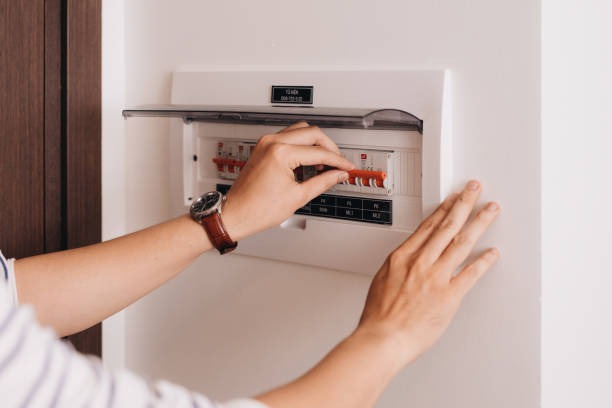
Your home’s service panel acts like a traffic cop for power. In older Stowe and North Coventry places, it’s often outdated and overwhelmed. This leads to trips, flickers, and fire risks that sneak up on you.
Modern life piles on—think air conditioners and smart fridges. Old panels can’t cope, so violations pile up. A quick look inside reveals the story.
Fuse Boxes Versus Modern Circuit Breakers
Fuse boxes use meltable links to cut power during overloads. They work once, then you replace them. Breakers flip off and reset, offering better watch over circuits.
In 1940s North Coventry homes, fuses hide dangers like blown ones ignored too long. This sustains overloads, heating wires hot. The NEC favors breakers for quick response.
If your box has glass tubes, consider a switch. It prevents small issues from growing big.
Insufficient Amperage Capacity
Many older homes run on 60- or 100-amp service. That’s fine for lights and radios, but not for today’s setups. Add an electric oven or charger, and wires strain.
Stowe farmhouses from the ’50s often hit this wall. Panels overheat, causing nuisance trips or silent wear. Codes now push 200 amps minimum for safety.
Test your load— if breakers pop often, upsize the service. It handles future needs too.
Double-Tapped Breakers
Double-tapping means two wires on one breaker spot. It’s a no-go under NEC, as it overloads the terminal. Heat builds, and the breaker might not trip right.
We’ve seen this in attic additions to Coventry homes. Wires crowd, and connections fail. One fix: use tandem breakers if allowed, or rewire.
Peek inside your panel. If wires share spots, get help fast—it’s a hidden overload bomb.
Hazardous Branch Circuit Installations and Terminations
Branch circuits carry power to rooms. In older homes, DIY fixes over years create messes. Exposed spots and weak installs invite trouble, from shocks to shorts.
These issues pop up in basements or garages. Codes stress protection, but time erodes it. Spot them early to stay safe.
Missing or Improper Junction Box Covers
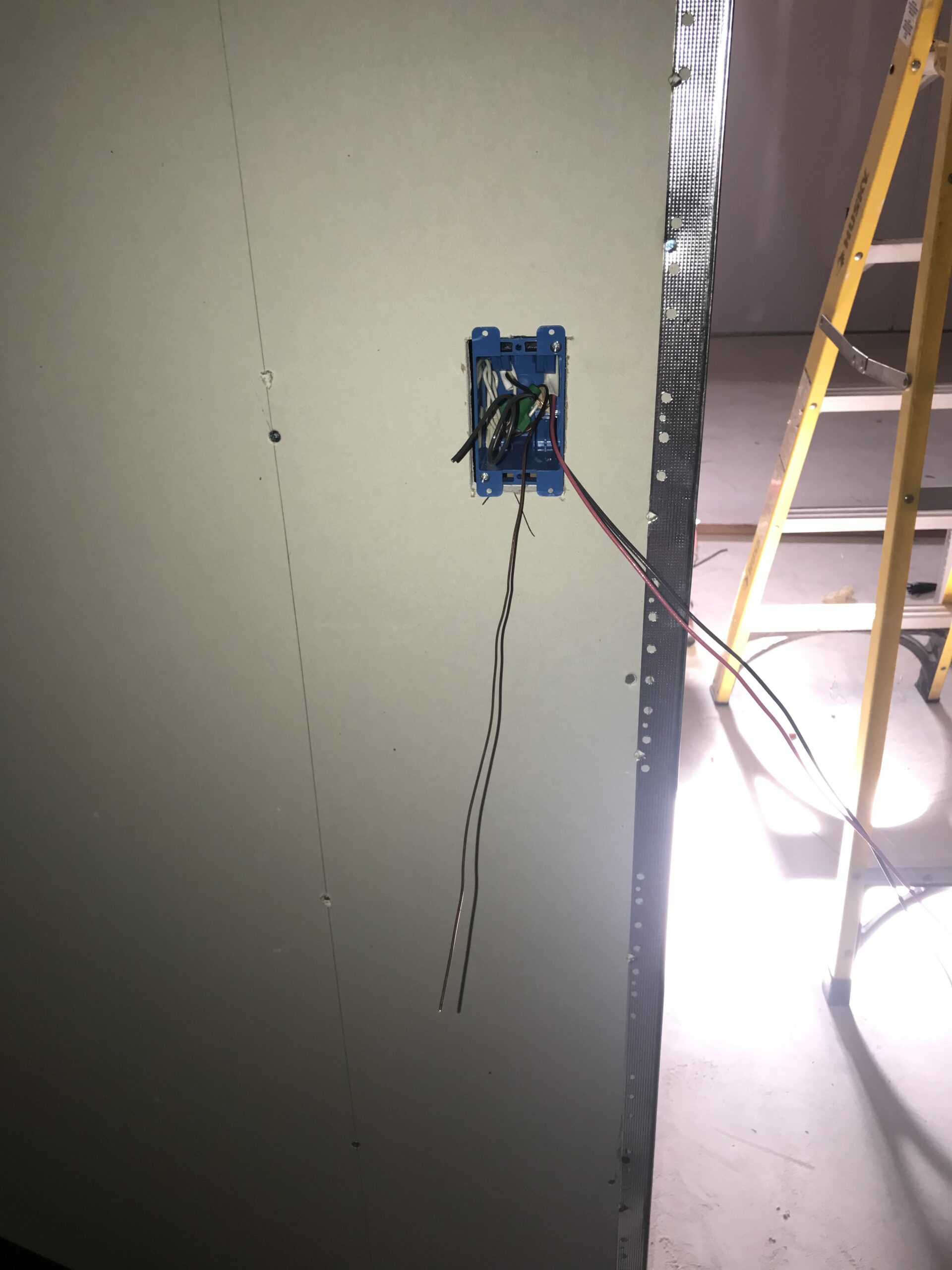
Every wire join needs a metal or plastic box, covered tight. Exposed splices spark easy from dust or bumps. NEC mandates this to contain fires.
In Stowe remodels, we find open boxes behind furniture. Wires touch tools or pests, leading to arcs. Always cover them—it’s a simple rule that saves hassle.
No cover? Install one now. It blocks access and meets code.
Improper Cable Support and Protection
NM cable, or Romex, needs staples every 4.5 feet and guards near edges. In unfinished spaces, it dangles loose, rubbing on nails or getting chewed.
North Coventry attics show this often—cables snake unprotected. Abrasion frays insulation, risking shorts. Codes require shields in risky spots.
Secure yours right. Use clips and plates; it prevents future headaches.
Incorrect Receptacle and Switch Installation
Outlets must fit boxes without crowding wires. Wrong gauge on screws pulls insulation loose. This arcs inside walls, unseen until smoke rises.
Common in older kitchens: devices wobble from poor mounts. NEC checks fill space too—overstuff, and heat traps build.
Tighten connections firm. Use the right tools for secure fits.
Deficient Arc-Fault and Ground-Fault Protection
Safety devices like GFCIs and AFCIs catch faults before fires start. Older Stowe and North Coventry homes lack them, missing post-2005 NEC rules. This gap leaves wet areas and bedrooms vulnerable.
Installs from the ’90s skip these, but upgrades fix it. They’re cheap insurance against shocks and arcs.
Absence of GFCI Protection in Wet Locations
GFCIs trip fast on ground faults, vital near water. Kitchens, baths, garages, and patios need them. Old two-prong spots use nothing, risking lethal shocks.
In a Coventry bathroom, water hits a hairdryer—without GFCI, current flows through you. Codes demand outlets or breakers with this tech.
Add them at points of use. Test monthly; it takes seconds.
Lack of AFCI Protection in Living Areas
AFCIs sense arcs from chewed or loose wires. They’re required in bedrooms and family rooms since 1999 updates. Older circuits ignore this, letting damage spread.
Stowe living spaces often run plain breakers. A bed frame nicks wire, arcs fly—fire follows. Swap for AFCI breakers to detect it early.
Upgrade key rooms first. Peace comes from knowing arcs won’t ignite unnoticed.
Using “Bootleg” or Improper Connectors
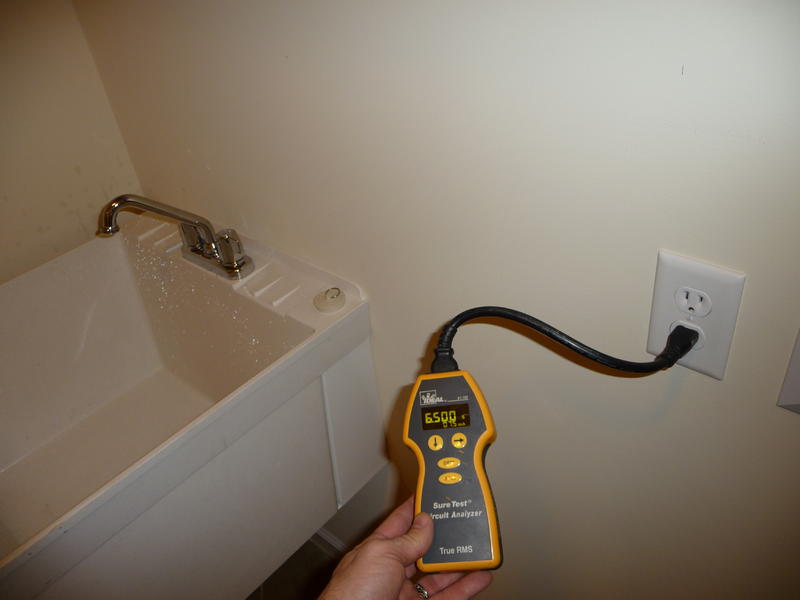
Some folks bootleg ground by jumping hot and neutral. It fools testers but doesn’t ground real. This violates code and hides true risks.
We’ve spotted this in garage hacks around North Coventry. It passes quick checks but fails under load. Ditch bootlegs—install real grounds.
Honest fixes last; cheats bite back hard.
Misplaced or Missing Smoke and Carbon Monoxide Alarms
Alarms tie into electrical systems during upgrades. Older homes skimp on placement, missing interconnected setups. Fire codes link this to wiring permits.
Proper spots catch dangers early. Without them, seconds count against you.
Inadequate Coverage in Older Layouts
Modern rules want alarms in every bedroom, hall, and level. Interconnect so one beeps, all do. Pre-1980s Stowe homes cluster them wrong, leaving blind spots.
A fire in the basement might not wake upstairs folks. Add units near sleeping areas. Battery backups ensure they work unplugged.
Place them high, away from vents. Test often for full coverage.
Improper Interconnection Wiring
Hardwired alarms link via a third wire. Wrong ties mean one detects, others sleep. This breaks the chain in multi-story Coventry colonials.
Loose connections from age worsen it. Rewire for daisy-chain flow—power and signal travel together.
Check your setup: sound one, hear all? If not, rewire soon.
Conclusion: Achieving Compliance and Peace of Mind
Older homes in Stowe and North Coventry hide electrical code violations that threaten safety. From knob-and-tube relics to missing GFCIs, these issues build over decades. Don’t let “it passed inspection once” lull you—get a pro check for real protection.
Start simple: inspect your panel for capacity and taps. Next, add ground-fault devices in wet zones. If needed, plan a full rewire to match today’s NEC. This phased path keeps costs down while upping value.
View upgrades as smart steps, not chores. They shield against fires, cut insurance rates, and let you enjoy your home worry-free. Call a local electrician today—your family’s safety depends on it. In these historic towns, safe wiring honors the past while securing the future.
(Word count: 1,248)