
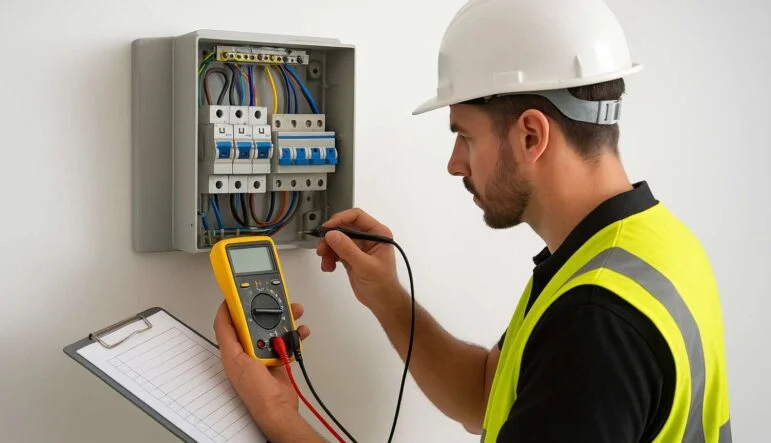
When it comes to electrical work, many homeowners mistakenly believe that electricians and electrical inspectors perform the same job. While both professionals play critical roles in ensuring electrical safety and code compliance, their responsibilities are very different. Understanding the difference can help homeowners make informed decisions during electrical installations, repairs, renovations, and inspections.
At Adel Home Services, we often receive questions about electrical inspections, permits, and who is responsible for ensuring electrical systems meet local codes. This guide explains the key differences between electricians and electrical inspectors, why both are important, and when you may need each professional.
What Is an Electrician?
An electrician is a trained and licensed professional who installs, repairs, upgrades, and maintains electrical systems in residential, commercial, and industrial properties.
Electricians work directly with electrical components and are responsible for ensuring electrical systems operate safely and efficiently.
Common Duties of an Electrician
- Installing electrical wiring
- Upgrading electrical panels
- Installing outlets and switches
- Repairing faulty circuits
- Installing lighting fixtures
- Wiring generators and backup power systems
- Troubleshooting electrical problems
- Installing EV charging stations
- Replacing outdated electrical systems
- Performing electrical maintenance
Electricians physically perform the work required to build, repair, or improve electrical systems.
What Is an Electrical Inspector?
An electrical inspector is a qualified professional who evaluates electrical installations to ensure they comply with local building codes, safety regulations, and the latest version of the National Electrical Code (NEC).
Inspectors do not install or repair electrical systems. Instead, they review completed work and determine whether it meets required safety standards.
Common Duties of an Electrical Inspector
- Reviewing electrical permits
- Inspecting new electrical installations
- Verifying code compliance
- Checking grounding and bonding systems
- Examining electrical panels and wiring
- Identifying safety hazards
- Approving or rejecting completed work
- Conducting final inspections before occupancy
Their primary responsibility is protecting public safety through code enforcement.
Electrician vs. Electrical Inspector
| Feature | Electrician | Electrical Inspector |
|---|---|---|
| Installs Electrical Systems | ✅ Yes | ❌ No |
| Repairs Electrical Problems | ✅ Yes | ❌ No |
| Performs Upgrades | ✅ Yes | ❌ No |
| Conducts Code Inspections | ❌ No | ✅ Yes |
| Approves Electrical Work | ❌ No | ✅ Yes |
| Issues Correction Notices | ❌ No | ✅ Yes |
| Pulls Electrical Permits | ✅ Often | ❌ No |
| Works for Homeowners or Contractors | ✅ Yes | ❌ Typically Government or Third-Party Agencies |
| Performs Hands-On Electrical Work | ✅ Yes | ❌ No |
| Ensures Code Compliance | ✅ During Installation | ✅ During Inspection |
Why Both Professionals Are Important
Electrical systems can be dangerous when improperly installed. According to the National Fire Protection Association, electrical failures remain a significant cause of residential fires across the United States.
Electricians and inspectors work together to create a safer electrical environment:
The Electrician’s Role
The electrician:
- Designs and installs systems properly
- Follows NEC requirements
- Uses approved materials
- Ensures safe operation of equipment
The Inspector’s Role
The inspector:
- Verifies the work was completed correctly
- Confirms code compliance
- Identifies potential hazards
- Protects homeowners from unsafe installations
This system of checks and balances helps reduce accidents, fires, and electrical failures.
When Do You Need an Electrician?
You should contact a licensed electrician if you need:
Electrical Repairs
Signs include:
- Flickering lights
- Frequently tripped breakers
- Burning odors
- Dead outlets
- Electrical shocks
Electrical Panel Upgrades
Older homes often require upgraded service panels to support modern electrical demands.
New Installations
Examples include:
- Ceiling fans
- Lighting fixtures
- Backup generators
- EV chargers
- Dedicated circuits
Home Renovations
Any remodeling project involving electrical work should be completed by a licensed electrician.
At Adel Home Services, our skilled electricians provide professional electrical services designed to keep your home safe, efficient, and code-compliant.
When Do You Need an Electrical Inspector?
An inspection may be required for:
New Construction Projects
Most municipalities require inspections at multiple stages of construction.
Major Electrical Upgrades
Examples include:
- Service panel replacements
- Whole-home rewiring
- Generator installations
- New circuit installations
Permit Requirements
Many local jurisdictions require inspections before permits can be finalized.
Property Transactions
Some homebuyers request electrical inspections before purchasing a property.
The Electrical Inspection Process
Understanding the inspection process helps homeowners know what to expect.
Step 1: Permit Application
A permit is typically obtained before major electrical work begins.
Step 2: Rough Inspection
The inspector examines wiring before walls are closed.
Step 3: Final Inspection
After project completion, the inspector verifies that all work complies with applicable codes.
Step 4: Approval
If the installation passes inspection, approval is granted and the permit is closed.
If violations are found, corrections must be made before approval can be issued.
Common Issues Electrical Inspectors Find
Some of the most common violations include:
- Improper grounding
- Overloaded circuits
- Incorrect breaker sizing
- Exposed wiring
- Missing GFCI protection
- Improper wire connections
- Unapproved electrical materials
- Unsafe panel installations
Hiring an experienced electrician significantly reduces the risk of inspection failures.
How Licensed Electricians Help Pass Inspections
Professional electricians understand:
- Current NEC requirements
- Local building codes
- Permit requirements
- Safety standards
- Proper installation techniques
This knowledge helps ensure projects pass inspections the first time, saving homeowners time and money.
Why Homeowners Should Never Skip Electrical Inspections
Skipping required inspections may lead to:
- Failed home sales
- Insurance claim issues
- Safety hazards
- Electrical fires
- Costly repairs
- Building code violations
Inspections provide an additional layer of protection that benefits both homeowners and their families.
Why Choose Adel Home Services?
At Adel Home Services, we understand the importance of safe, code-compliant electrical systems. Our licensed electricians perform high-quality installations, repairs, upgrades, and maintenance while adhering to all applicable electrical standards.
When you work with Adel Home Services, you receive:
- Licensed and experienced electricians
- Safe and reliable electrical solutions
- Code-compliant installations
- Transparent pricing
- Quality workmanship
- Outstanding customer service
Whether you need a simple repair or a complete electrical upgrade, our team is committed to delivering professional results that stand the test of time.
Final Thoughts
While electricians and electrical inspectors both contribute to electrical safety, their roles are fundamentally different. Electricians perform the work, while inspectors verify that the work meets safety and code requirements. Together, they help ensure homes remain safe, efficient, and compliant with modern electrical standards.
If you’re planning an electrical project, trust the experienced professionals at Adel Home Services for expert electrical services that prioritize safety, quality, and peace of mind.