
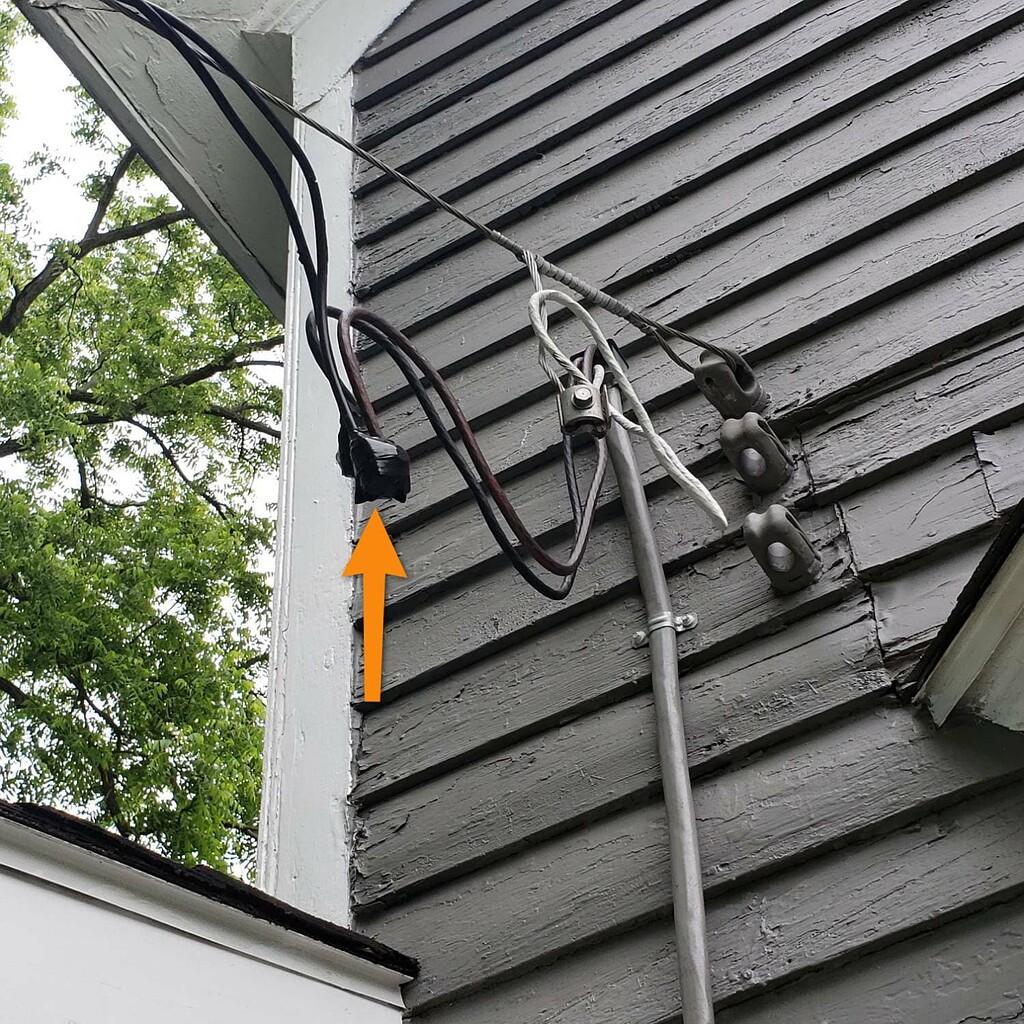

Your home’s electrical system begins long before electricity reaches your outlets, switches, and appliances. One of the most important yet often overlooked parts of that system is the weatherhead and drip loop assembly.
At Adel Home Services, our licensed electricians regularly perform electrical safety inspections for homeowners and businesses. During these inspections, we carefully evaluate critical components such as the electrical panel, service mast, service entrance conductors, grounding system, meter socket, weatherhead, and drip loops to ensure everything is operating safely and efficiently.
Unfortunately, many property owners don’t realize that a missing or damaged drip loop can allow water to enter their electrical system, leading to corrosion, electrical hazards, and costly repairs.
In this guide, we’ll explain what weatherheads and drip loops are, why they matter, and how regular inspections can help protect your home.
What Is a Weatherhead?
A weatherhead, also called a service head, weather cap, or service entrance cap, is a weatherproof fitting installed at the top of your electrical service mast.
Its purpose is to protect the electrical conductors entering your home from rain, snow, ice, and debris.
The weatherhead serves as the connection point where electricity from utility power lines enters your home through the service entrance conductors.
Without a properly functioning weatherhead, moisture can enter the electrical system and travel down the service mast into your electrical panel, increasing the risk of corrosion, equipment failure, electrical shorts, and fire hazards.
Main Functions of a Weatherhead
- Protects service entrance conductors
- Prevents water intrusion
- Shields electrical connections from weather
- Helps maintain electrical safety
- Extends the lifespan of service equipment
- Supports reliable power delivery
What Are Drip Loops?
Drip loops are U-shaped bends intentionally formed in electrical service entrance conductors before they enter the weatherhead.
These loops create a low point where water naturally drips off instead of flowing directly into the weatherhead.
When rainwater travels down utility service wires, the drip loop forces the water to fall away from the electrical system before it can enter the service mast or electrical panel.
Although simple in design, drip loops play a critical role in protecting your home’s electrical infrastructure.
Weatherhead vs. Drip Loop
| Feature | Weatherhead | Drip Loop |
|---|---|---|
| Purpose | Protects electrical conductors from weather | Prevents water from entering the weatherhead |
| Location | Top of the service mast | Formed below the weatherhead |
| Main Function | Shields electrical wiring from moisture | Directs water away from electrical equipment |
| Protection | Rain, snow, debris, and moisture | Water traveling down service conductors |
| Safety Importance | Critical | Critical |
| Maintenance Requirement | Periodic inspection | Periodic inspection |
Why Are Drip Loops Important?
Many homeowners never notice their drip loops until a problem occurs.
However, these small wire loops provide significant protection.
1. Prevent Water Intrusion
The primary purpose of drip loops is to stop water from entering your electrical system.
Without drip loops, rainwater can travel directly into the weatherhead and service mast.
2. Reduce Corrosion
Moisture causes metal components to corrode over time.
Drip loops help protect:
- Service conductors
- Meter sockets
- Electrical panels
- Circuit breakers
- Connection points
3. Improve Electrical Safety
Water and electricity create dangerous conditions.
Proper drip loops help reduce the risk of:
- Electrical shock
- Short circuits
- Arc faults
- Electrical fires
4. Extend Equipment Lifespan
Electrical equipment lasts longer when protected from moisture and weather exposure.
5. Help Maintain Code Compliance
Modern electrical standards require proper service entrance installations, including drip loops where applicable.
Common Problems Found During Electrical Inspections
At Adel Home Services, our electricians frequently discover issues involving weatherheads, service masts, and electrical service entrances.
| Problem | Potential Risk | Recommended Solution |
|---|---|---|
| Missing Drip Loops | Water intrusion | Install proper drip loops |
| Cracked Weatherhead | Moisture damage | Weatherhead replacement |
| Corroded Conductors | Power interruptions | Replace damaged conductors |
| Loose Connections | Overheating and fire risk | Tighten and inspect connections |
| Rusted Service Mast | Structural failure | Repair or replace mast |
| Improper Grounding | Shock hazards | Upgrade grounding system |
| Outdated Electrical Panel | Overloads and breaker issues | Panel upgrade |
Signs Your Weatherhead May Need Inspection
If you notice any of the following warning signs, it’s time to contact a licensed electrician.
| Warning Sign | Possible Cause |
|---|---|
| Flickering lights | Loose electrical connections |
| Frequent breaker trips | Electrical system issues |
| Visible rust | Moisture intrusion |
| Water stains | Weatherhead failure |
| Cracked weatherhead | Weather damage |
| Buzzing sounds | Electrical arcing |
| Damaged mast | Structural deterioration |
| Aging service equipment | Outdated installation |
Ignoring these signs can lead to more expensive repairs and increased safety risks.
Are Homeowners Responsible for Weatherheads and Drip Loops?
In most cases, yes.
While utility companies maintain the service drop wires, homeowners are typically responsible for:
- Weatherheads
- Service masts
- Meter sockets
- Service entrance conductors
- Electrical panels
- Grounding systems
Routine electrical inspections help ensure these components remain safe and functional.
Why Older Homes Need Special Attention
Many older homes were built before current electrical standards existed.
Common issues found in older properties include:
- Missing drip loops
- Deteriorated weatherheads
- Insufficient grounding
- Corroded service conductors
- Outdated electrical panels
- Unsafe wiring practices
An electrical safety inspection can identify these concerns before they become major problems.
Benefits of Professional Electrical Safety Inspections
Electrical inspections provide peace of mind and help prevent unexpected failures.
Benefits Include:
- Improved electrical safety
- Early detection of hazards
- Reduced fire risk
- Better system performance
- Lower repair costs
- Extended equipment lifespan
- Improved code compliance
- Increased property value
Why Choose Adel Home Services?
Adel Home Services is committed to providing reliable, professional electrical services for homeowners and businesses.
Our licensed electricians offer:
- Electrical safety inspections
- Weatherhead repair and replacement
- Service mast repair
- Electrical panel upgrades
- Electrical troubleshooting
- Whole-home electrical inspections
- Wiring repairs
- Grounding and bonding evaluations
- Residential electrical services
- Commercial electrical services
We prioritize safety, quality workmanship, and long-term solutions.
Frequently Asked Questions
What is a drip loop?
A drip loop is a U-shaped bend in electrical conductors that prevents water from entering the weatherhead and electrical service equipment.
Why are drip loops important?
They help prevent moisture intrusion, corrosion, electrical damage, and potential safety hazards.
Can missing drip loops cause electrical problems?
Yes. Water can enter the electrical system, leading to corrosion, short circuits, and equipment damage.
How often should a weatherhead be inspected?
Weatherheads should be inspected during routine electrical safety inspections, especially in older homes.
Who is responsible for weatherhead maintenance?
In most cases, homeowners are responsible for maintaining the weatherhead and related service entrance equipment attached to their property.
Can Adel Home Services replace a damaged weatherhead?
Yes. Our licensed electricians provide weatherhead inspections, repairs, replacements, and complete electrical service upgrades.
Schedule Your Electrical Safety Inspection Today
Drip loops and weatherheads may seem like minor components, but they play a major role in protecting your electrical system from moisture damage and safety hazards.
If your home has an aging electrical service, visible weather damage, or you simply want peace of mind, Adel Home Services can help.
Contact Adel Home Services today to schedule a professional electrical safety inspection. Our experienced electricians will evaluate your entire electrical system, identify potential concerns, and recommend solutions that keep your home safe, reliable, and compliant with modern electrical standards.