
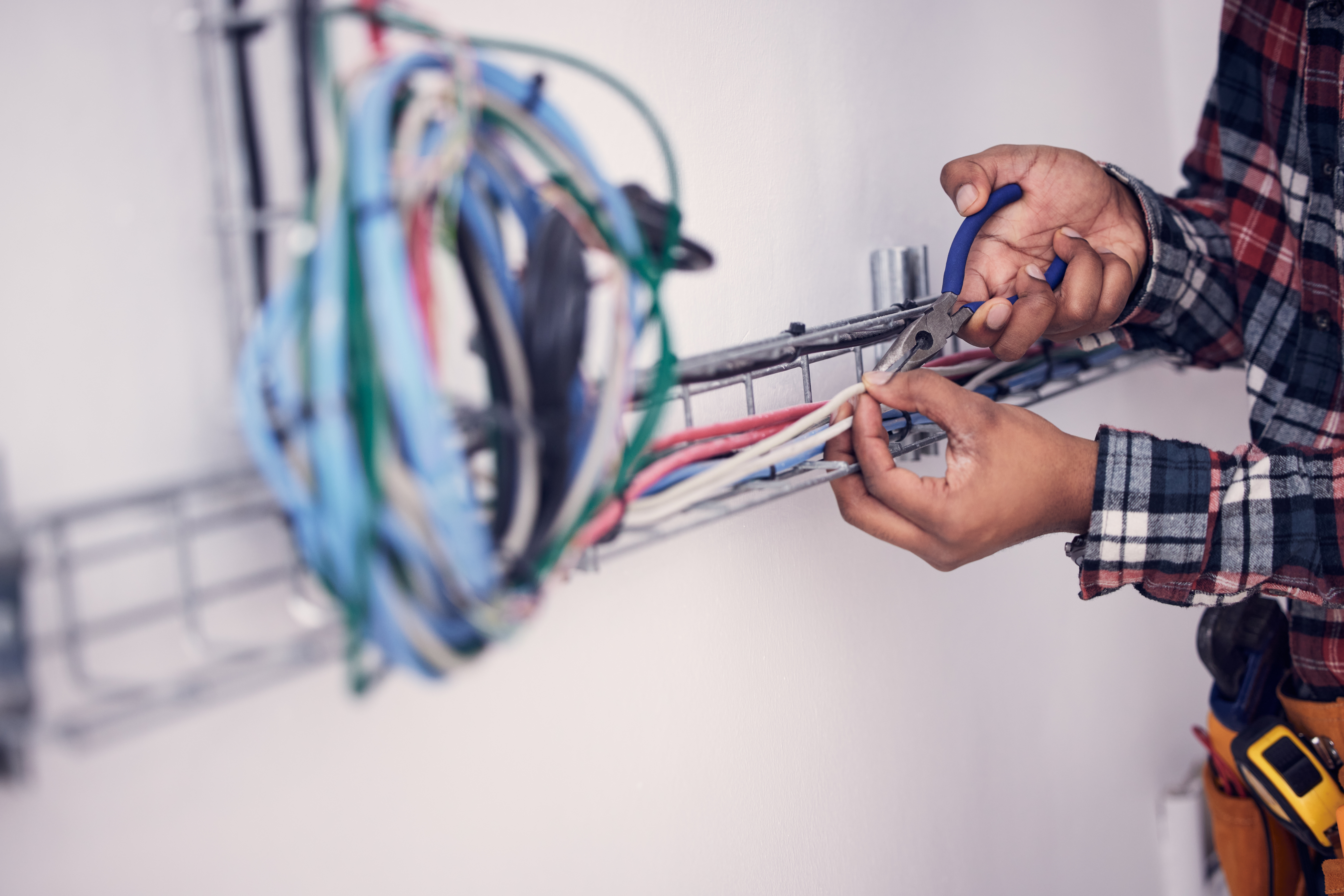

Electrical wiring is one of the most important systems in any home or commercial property. While most people focus on switches, outlets, and light fixtures, the colors of the wires behind the walls play a critical role in electrical safety. Electrical wire colors are designed to identify the purpose of each conductor, helping electricians install, repair, and maintain electrical systems correctly.
Understanding wire color codes can help homeowners recognize potential issues, communicate more effectively with electricians, and avoid dangerous mistakes. Whether you’re upgrading your electrical system or planning a renovation, professional Electrical Services can ensure all work is completed safely and according to code.
Why Electrical Wire Colors Matter
Wire color coding provides a standardized method for identifying electrical conductors. These standards help prevent wiring errors and improve safety during installation, repairs, and inspections.
- ■ Prevent electrical shocks and injuries
- ■ Reduce the risk of electrical fires
- ■ Ensure compliance with electrical codes
- ■ Simplify troubleshooting and repairs
- ■ Improve installation accuracy
- ■ Protect electrical equipment and appliances
Common Electrical Wire Colors and Their Meanings
Black Wires – Live (Hot) Conductors
Black wires are commonly used as hot wires and carry electricity from the electrical panel to switches, outlets, and appliances. These wires are energized and should always be treated with caution.
Common applications include:
- ■ Standard power outlets
- ■ Lighting circuits
- ■ Electrical switches
- ■ Household appliances
Red Wires – Secondary Hot Conductors
Red wires also carry electrical current and are often used as secondary hot wires. They are commonly found in multi-way switch systems, smoke detector circuits, and certain 240-volt installations.
Typical uses include:
- ■ Three-way and four-way switches
- ■ Ceiling fan wiring
- ■ Smoke detector connections
- ■ Specialized electrical circuits
White and Grey Wires – Neutral Conductors
White and grey wires are generally designated as neutral conductors. Their role is to carry electrical current back to the electrical panel, completing the circuit.
Neutral wires are essential because they:
- ■ Complete the electrical circuit
- ■ Balance electrical loads
- ■ Support safe operation of electrical devices
- ■ Improve system efficiency
Green and Bare Copper Wires – Ground Conductors
Ground wires provide a safe path for excess electrical current during faults or power surges. They are one of the most important safety features in modern electrical systems.
Ground wires help:
- ■ Prevent electrical shocks
- ■ Reduce fire hazards
- ■ Protect appliances and electronics
- ■ Improve overall electrical safety
Blue and Yellow Wires – Special Application Conductors
Blue and yellow wires are commonly used in more complex wiring systems. They often serve as traveler wires in multi-way switching arrangements or other specialized electrical applications.
The Importance of Following Electrical Color Codes
Electrical color codes are not just recommendations—they are an important part of electrical safety. Incorrectly identifying wires can result in severe injuries, equipment damage, or electrical fires.
Following proper color standards helps:
- ■ Improve workplace safety
- ■ Prevent wiring mistakes
- ■ Speed up repairs and maintenance
- ■ Meet local building regulations
- ■ Enhance long-term system reliability
Scheduling regular Electrical Inspections can help identify outdated wiring and ensure your system remains compliant with current standards.
Common Electrical Wiring Mistakes
Assuming Wire Colors Are Always Correct
Older homes may contain outdated wiring systems or modifications that do not follow current standards. Never rely solely on wire color without proper testing.
Ignoring Ground Connections
Ground wires are essential for electrical safety. Missing or improperly connected ground wires can increase the risk of electric shock and equipment damage.
Attempting DIY Electrical Repairs
Electrical work requires specialized knowledge and tools. DIY repairs can create serious hazards if performed incorrectly.
Using Incorrect Wire Sizes
Even when wire colors are correct, using the wrong wire gauge can lead to overheating and potential fire risks.
Warning Signs of Electrical Problems
If you notice any of the following issues, it may be time to contact a qualified electrician:
- ■ Frequent breaker trips
- ■ Flickering lights
- ■ Burning smells near outlets
- ■ Warm switches or receptacles
- ■ Buzzing sounds from electrical fixtures
- ■ Exposed or damaged wiring
- ■ Outdated electrical panels
Professional Electrical Repair Services can quickly diagnose and resolve these issues before they become major safety concerns.
Benefits of Hiring a Professional Electrician
Licensed electricians understand current electrical codes, safety requirements, and best practices. Professional service ensures your electrical system remains safe and reliable.
- ■ Accurate installations and repairs
- ■ Compliance with local regulations
- ■ Improved electrical safety
- ■ Reduced risk of future problems
- ■ Professional troubleshooting expertise
- ■ Long-term peace of mind
For expert assistance with your next project, contact our Home Services TeamConclusionElectrical wire colors provide a universal system that helps electricians safely install, inspect, and maintain electrical systems. Understanding the meaning behind these colors can improve safety awareness and help homeowners identify potential issues before they become serious problems.Whether you’re dealing with a minor repair, a major renovation, or a complete electrical upgrade, working with qualified professionals is always the safest choice. Learn more about our Electrical Services and discover how we can help keep your home safe and powered efficiently.
Frequently Asked Questions (FAQs)
What do electrical wire colors indicate?
Electrical wire colors indicate the purpose of each conductor within an electrical system. They help electricians identify live, neutral, and ground wires, making installations, repairs, and inspections safer and more efficient.
What does a black electrical wire mean?
A black wire is typically a live (hot) wire that carries electricity from the power source to outlets, switches, and appliances. It should always be treated as energized unless tested by a qualified professional.
What is the purpose of a red wire?
Red wires are commonly used as secondary live wires in electrical circuits. They are often found in three-way switches, smoke detector systems, and certain 240-volt installations.
What do white and grey wires represent?
White and grey wires are generally used as neutral conductors. Their job is to return electrical current back to the electrical panel, completing the circuit and ensuring proper operation.
Why is the ground wire important?
Ground wires, usually green or bare copper, provide a safe path for excess electrical current during faults. This helps prevent electric shocks, protects appliances, and reduces the risk of electrical fires.
Can electrical wire colors vary in older homes?
Yes. Older properties may contain outdated wiring systems that do not follow current electrical color standards. If you’re unsure about your wiring, it’s best to schedule a professional inspection.
Is it safe to work on electrical wiring yourself?
Electrical work can be dangerous without proper knowledge and equipment. For safety and code compliance, it is recommended to hire qualified professionals for electrical installations, repairs, and upgrades.
What should I do if I find exposed electrical wires?
If you discover exposed wires, avoid touching them and turn off power to the affected area if it is safe to do so. Contact a licensed electrician immediately to inspect and repair the problem.
How can I tell if my home’s wiring needs an upgrade?
Common signs include frequent breaker trips, flickering lights, burning smells, buzzing outlets, outdated fuse boxes, or visible wiring damage. A professional electrical inspection can identify whether upgrades are necessary.
Why are wire color codes important for electricians?
Wire color codes help electricians quickly identify the function of each wire, reducing installation errors, improving troubleshooting efficiency, and enhancing overall electrical safety.
What happens if electrical wires are connected incorrectly?
Incorrect wiring can cause short circuits, damaged appliances, power outages, electric shocks, and even electrical fires. Following proper wire color codes helps prevent these dangerous situations.
How often should electrical systems be inspected?
Most experts recommend having electrical systems inspected every few years, especially in older homes, after major renovations, or before buying or selling a property.